Quick answer: Gi Jiu-Jitsu uses a thick cotton uniform — jacket, pants, and belt — built for grip-based technique. No-Gi Jiu-Jitsu swaps that for a rash guard and shorts, so there’s no fabric to grab and the pace is faster. Most students end up training both.
Walk into Gracie Barra Denver on any given night and you’ll see two very different looks on the mat: some students rolling in thick cotton uniforms, others in tight rash guards and shorts. That’s the Gi vs. No-Gi split, and it trips up almost every new student at some point. The good news is that once you know what each style actually needs, picking your gear takes about five minutes. Here’s the simple breakdown.
What’s the Real Difference Between Gi and No-Gi?
The difference comes down to one thing: the uniform.
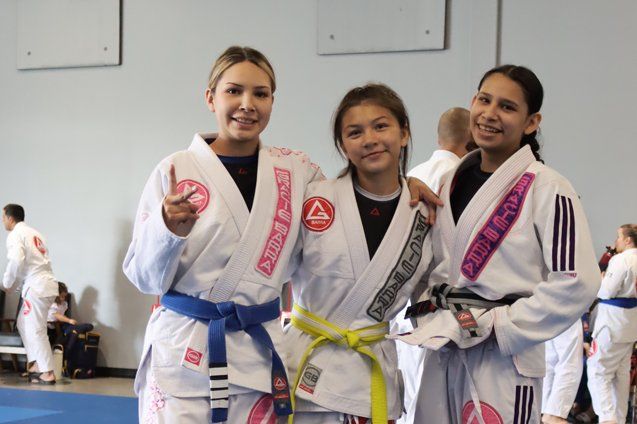
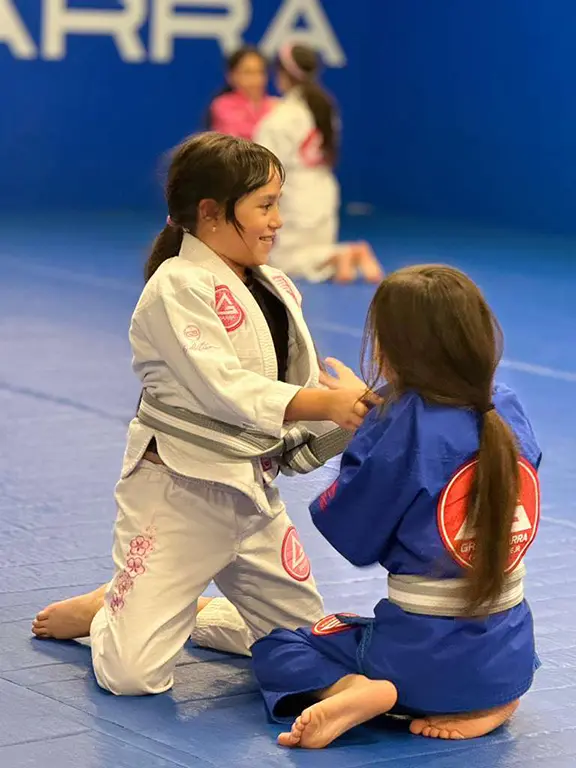
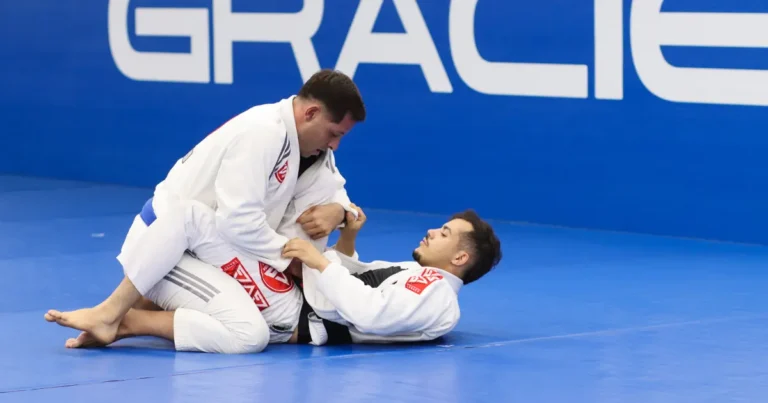
Gi Jiu-Jitsu is grappling in a heavy cotton jacket (called a kimono), matching pants, and a belt. The jacket gives you something to grip, so a lot of Gi technique is built around collar and sleeve control.
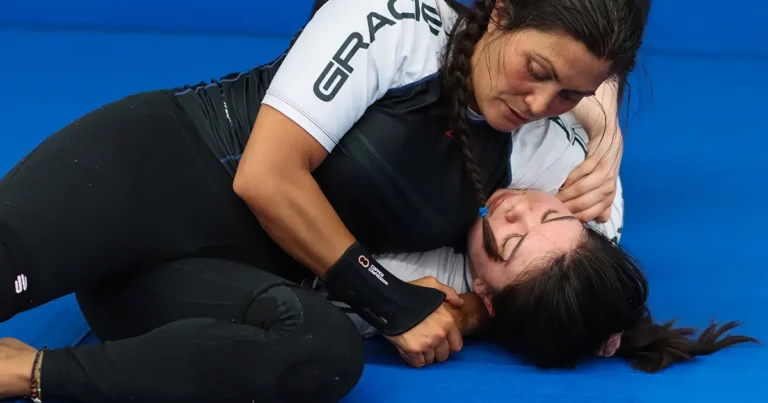
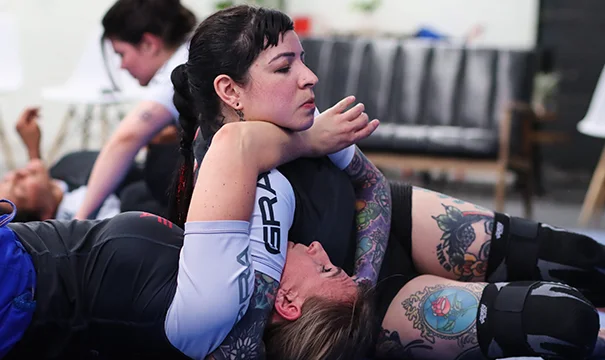
No-Gi Jiu-Jitsu drops the jacket entirely. Instead, you train in a snug rash guard and grappling shorts or spats. With no fabric to grab, No-Gi moves faster and relies more on body position, speed, and controlling your partner’s skin and limbs directly instead of their clothing.
Both are Brazilian Jiu-Jitsu. Both use the same core ideas — control, leverage, and technique over raw strength. The gear is just built for a different game.
| Gi | No-Gi | |
|---|---|---|
| Uniform | Jacket, pants, belt | Rash guard, shorts or spats |
| Grip style | Grabbing the jacket and pants | Grabbing skin, arms, and legs directly |
| Pace | Slower and more methodical | Faster and more athletic |
| Great for | Learning control step-by-step | Building speed and instinct |
Gi Gear: What You’re Actually Wearing
A Gi has three parts:
- The jacket (kimono) — thick, woven cotton, reinforced at the collar so it can handle constant gripping.
- The pants — a sturdy drawstring waist built to survive being pulled and grabbed all class long.
- The belt — shows your rank and keeps the jacket closed.
Gi fabric comes in a few different weights. Lighter weaves are cooler and easier to move in. Heavier weaves last longer and are tougher for an opponent to grip. If you’re just starting out, a mid-weight Gi in a standard cut is the easiest choice — comfortable, durable, and simple to size correctly.
Fit matters more than brand. A Gi that’s too big drags on the mat and tangles around your own legs. One that’s too small restricts your shoulders and grip. If you’re not sure what size to get, our team at Gracie Barra Denver can help you check before you buy.
No-Gi Gear: What You Need to Get Started
No-Gi keeps the gear list short:
- Rash guard — a tight, compression-fit shirt (long or short sleeve). It prevents mat burn, pulls sweat away from your skin, and gives your opponent nothing to grab.
- Grappling shorts or spats — built without pockets, zippers, or Velcro, since any of that can scratch you or your training partner. Spats (full-length compression leggings) are popular with anyone who wants extra coverage.
- Mouthguard — protects your teeth during scrambles, and most gyms require one for sparring.
That’s genuinely it for your first class. Everything below this is optional, not required.
Nice-to-Have Extras
- Grip socks — useful if the mats feel slippery or you’re prone to toe injuries.
- Ear guards — mainly for heavy takedown training, to help prevent cauliflower ear (a common grappling injury).
- A water bottle — grappling is intense, and Denver’s dry air makes it easy to get dehydrated without noticing.
- A gym bag with ventilation — keeps sweaty gear from turning into a science experiment between classes.
Gi or No-Gi First? What Beginners Should Know
There’s no wrong answer, but here’s how most new students decide:
- Start in Gi if you want to learn technique step-by-step. The slower pace makes it easier to understand grips, control, and position before adding speed.
- Start in No-Gi if your goal is MMA, self-defense without a uniform, or you just want a faster, more athletic first class.
Most Gracie Barra Denver students end up training both. They’re not competing styles — they’re two different ways of learning the same art, and each one sharpens skills the other doesn’t.
Keeping Your Gear Fresh in Colorado’s Dry Climate
Denver’s dry air and altitude mean you sweat differently here than in a humid climate — but you still sweat, and mat gear traps it fast. A few habits will keep your gear (and your training partners) happy:
- Wash your rash guard and shorts after every single class. Dry air doesn’t stop bacteria.
- Never leave wet gear balled up in a gym bag or car. That’s exactly how odor and mildew start.
- Air-dry your Gi instead of using high heat, which breaks down the fabric and shrinks the fit.
- If you train more than twice a week, rotate between two sets of No-Gi gear so nothing goes straight from the hamper back to the mat.
It’s simple stuff, but it’s the difference between gear that lasts a year and gear you’re replacing every few months.
BOOK A FREE TRIAL CLASS HERE
Frequently Asked Questions
What’s the main difference between Gi and No-Gi Jiu-Jitsu? Gi uses a cotton jacket, pants, and belt, which give you cloth to grip. No-Gi swaps that for a rash guard and shorts, so there’s no fabric to hold onto — just body control and speed.
Do I need a Gi for my first class? No. Most schools, including Gracie Barra Denver, let first-timers try a class in athletic clothes before buying any gear. Ask about a free trial class before investing in anything.
What should I wear to a No-Gi class if I don’t own gear yet? A snug (not loose) t-shirt and athletic shorts without pockets work fine for your first session. Skip anything baggy — it can get grabbed and cause injuries.
Is No-Gi better for fitness than Gi? No-Gi tends to move faster, so it can feel like a bigger cardio workout. But Gi training builds plenty of strength and endurance too — the fitness gap between them is smaller than most people expect.
Can I train both Gi and No-Gi at Gracie Barra Denver? Yes. Most students train both once they’re comfortable, since each style sharpens different skills.
How much does Jiu-Jitsu gear actually cost? It depends on the brand and quality you choose. Our team at Gracie Barra Denver can point you toward gear that fits your budget and goals — just ask during your free class.
Ready to Try It Yourself?
Still not sure what to wear to your first class? That’s exactly what a free trial is for. Come try a class at Gracie Barra Denver and we’ll help you figure out the rest.