Why Tournaments Matter for Young Jiu Jitsu Students
Many parents ask about the benefits of kids competing in jiu jitsu before their child ever steps onto a tournament mat. Competition is always optional, but for many children it adds goals, structure, and memorable lessons to weekly training in Denver.
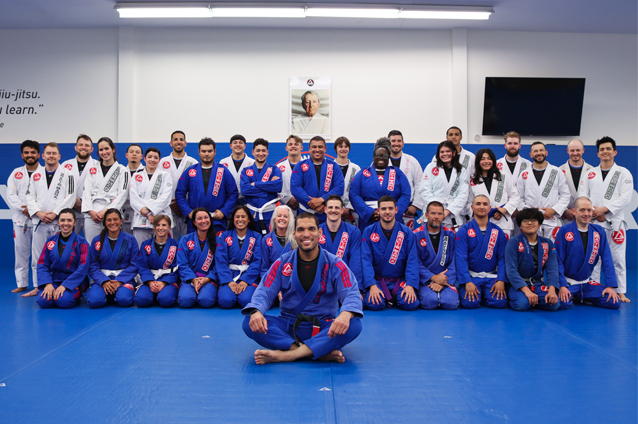
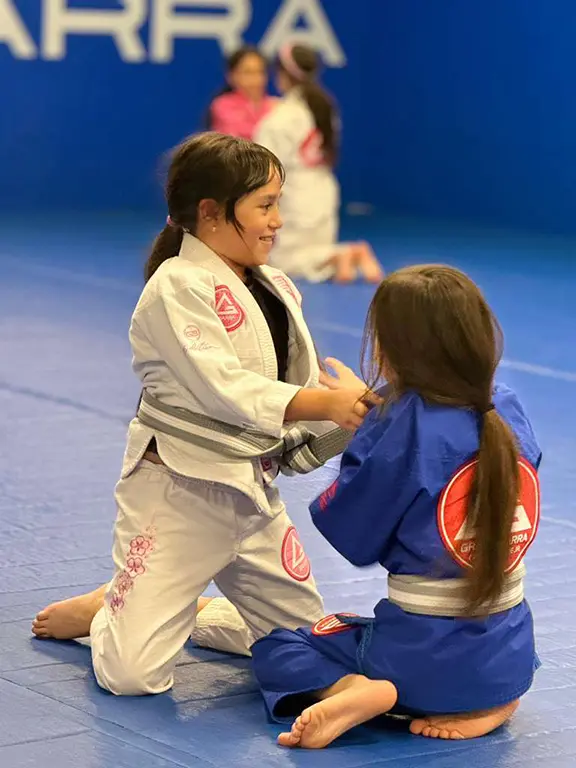
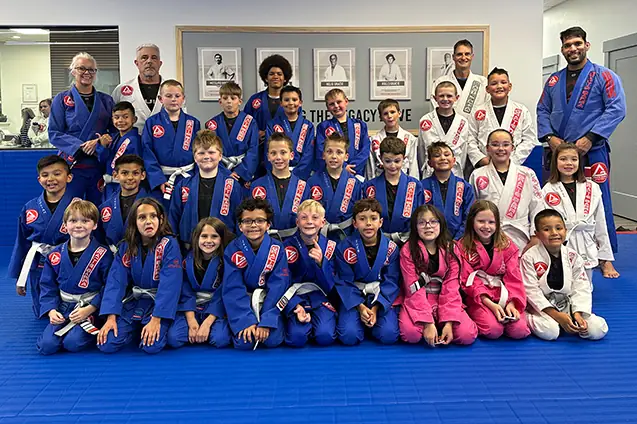
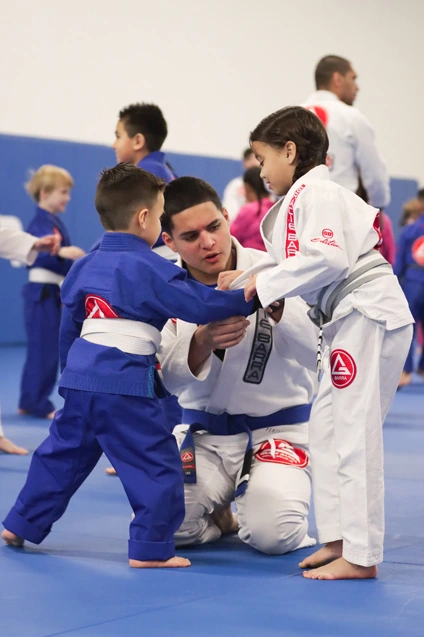
At Gracie Barra Denver, young students train in a supportive environment through the kids jiu jitsu program. This guide explains what competition can teach and how families can decide whether it fits their child.
DISCOVER Gracie Barra Denver
CLICK HEREPersonal Growth: Benefits of Kids Competing in Jiu Jitsu
Tournaments create moments that regular classes cannot fully replicate. Children face unfamiliar opponents, new surroundings, and real pressure, all inside clear rules and with referees present.
Confidence Built Through Preparation
Confidence grows when a child prepares for something and follows through. Stepping onto the mat in front of a crowd is a milestone, no matter what the final score says.
Parents often notice this pride at home after an event. It echoes the benefits of children training jiu-jitsu that many families already see in everyday classes.
Learning to Handle Nerves
Feeling nervous before a match is normal, even for experienced athletes. Competing gives children a safe chance to notice those feelings and practice breathing, focusing, and staying calm.
Coaches can guide kids through simple routines, like deep breaths and a short warm-up. Over time, these habits connect with how jiu-jitsu relieves stress in other parts of life.
Resilience After a Loss
Every competitor loses sometimes, and that is where much of the learning happens. Kids discover that a defeat is useful information, not a verdict on who they are.
Talking through what worked and what to adjust teaches a growth mindset. Children learn that effort and improvement matter more than any single result on the scoreboard.
Goals and Discipline
A tournament date gives training a clear target. Children understand why they drill escapes and positions each week, which makes practice feel purposeful instead of repetitive.
Small goals, such as improving a takedown or staying composed, build discipline step by step. Parents can reinforce this by celebrating consistent attendance and attitude as much as medals.
Skill Development Through Competition
Kids competing in jiu jitsu also sharpen the technical side of training. Moves practiced in class are tested against partners who resist and do not know what is coming next.
Testing Techniques Under Pressure
In class, drilling is cooperative. In a match, the opponent responds, so children learn which techniques work reliably and which need more repetition.
That feedback helps coaches choose what to practice next. Our recap of the NAGA Denver grappling results is one example of students taking part in local events.
Quick Decision-Making
Matches move fast. Children must read their opponent, choose a response, and adapt within seconds, which strengthens problem-solving skills on the mat.
These abilities develop gradually through repetition. Even a short match shows how a child thinks, reacts, and recovers after a mistake.
Healthy Fitness and Coordination
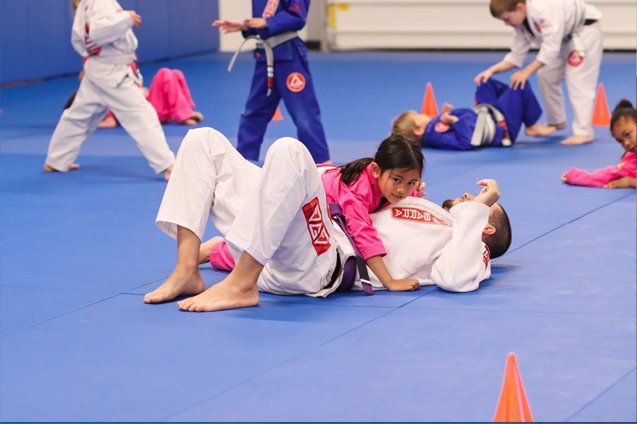
Preparing for an event encourages regular movement. Jiu-jitsu develops balance, flexibility, and coordination, and a tournament gives kids one more reason to stay active.
Some families enjoy sharing that routine together, as described in our look at jiu-jitsu for the whole family, where parents and children can train side by side.
Character, Sportsmanship, and Community
Beyond technique, competition shapes how children treat others. A tournament day is full of small moments that teach respect, patience, and teamwork.
Respect for Opponents and Referees
Matches begin and end with a handshake. Children practice respecting their opponents, following referee instructions, and accepting decisions gracefully, even when the outcome is disappointing.
These habits mirror the etiquette taught in class, such as bowing and listening to instructors. Competition simply makes those values concrete and easy to remember.
Teamwork and Friendships
Although each match is individual, tournament days are social. Teammates cheer for one another, share snacks, and learn that success is built together.
Those shared experiences often strengthen bonds beyond the mat. Children feel part of a group that supports them whether they win or lose.
Parents as Supportive Partners
Parents shape how children experience competition. Encouraging effort, staying positive from the sideline, and avoiding pressure help kids enjoy the process rather than fear the result.
Clearing up worries early also helps. Our article on common kids jiu-jitsu myths answers questions that parents often raise.
How to Know If Your Child Is Ready to Compete
Readiness depends on the child, not the calendar. Look for curiosity about tournaments, comfort training with partners in class, and genuine excitement. Kids competing in jiu jitsu should do it because they want to, never out of obligation.
Talk with the coaching team, who know each student’s progress. Meeting our jiu-jitsu instructors at Gracie Barra Denver is a good first step for any family with questions.
Putting Competition in Perspective
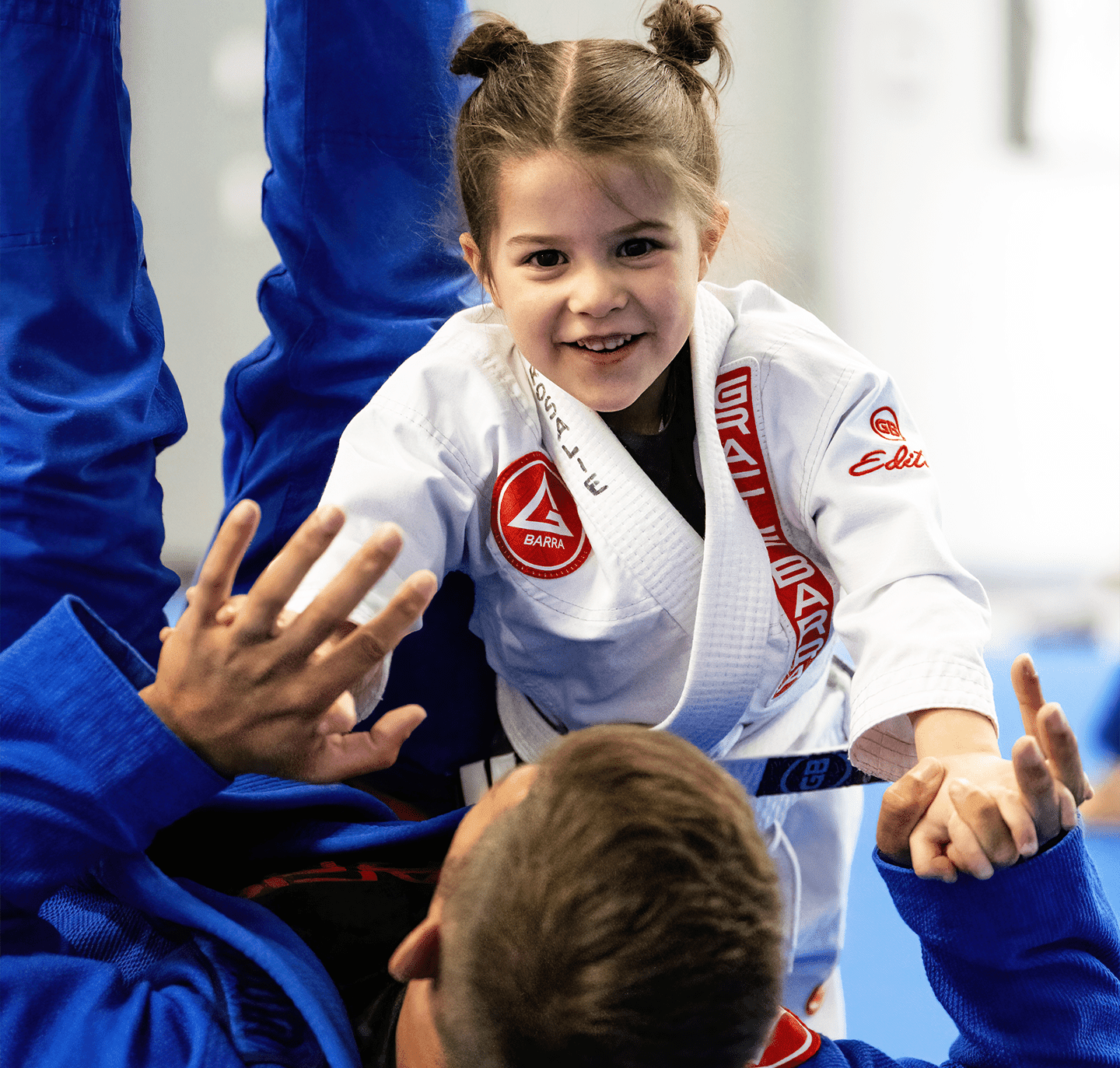
Competition is one tool among many. Some children thrive on tournaments, while others prefer steady classes and gradual progress. Both paths build valuable life skills.
Start with small steps, like watching a local event as a spectator or talking about goals together. Gradual exposure keeps the experience positive and the pressure low.
DISCOVER Gracie Barra Denver
CLICK HEREFinal Thoughts on Kids Competing in Jiu Jitsu
The benefits of kids competing in jiu jitsu include confidence, resilience, discipline, and sportsmanship, all developed in a structured setting. What matters most is the lessons children carry from each match, not the medal.
If you live in the Denver area and want your child to explore martial arts in a welcoming community, Gracie Barra Denver invites you to visit and see classes in action.